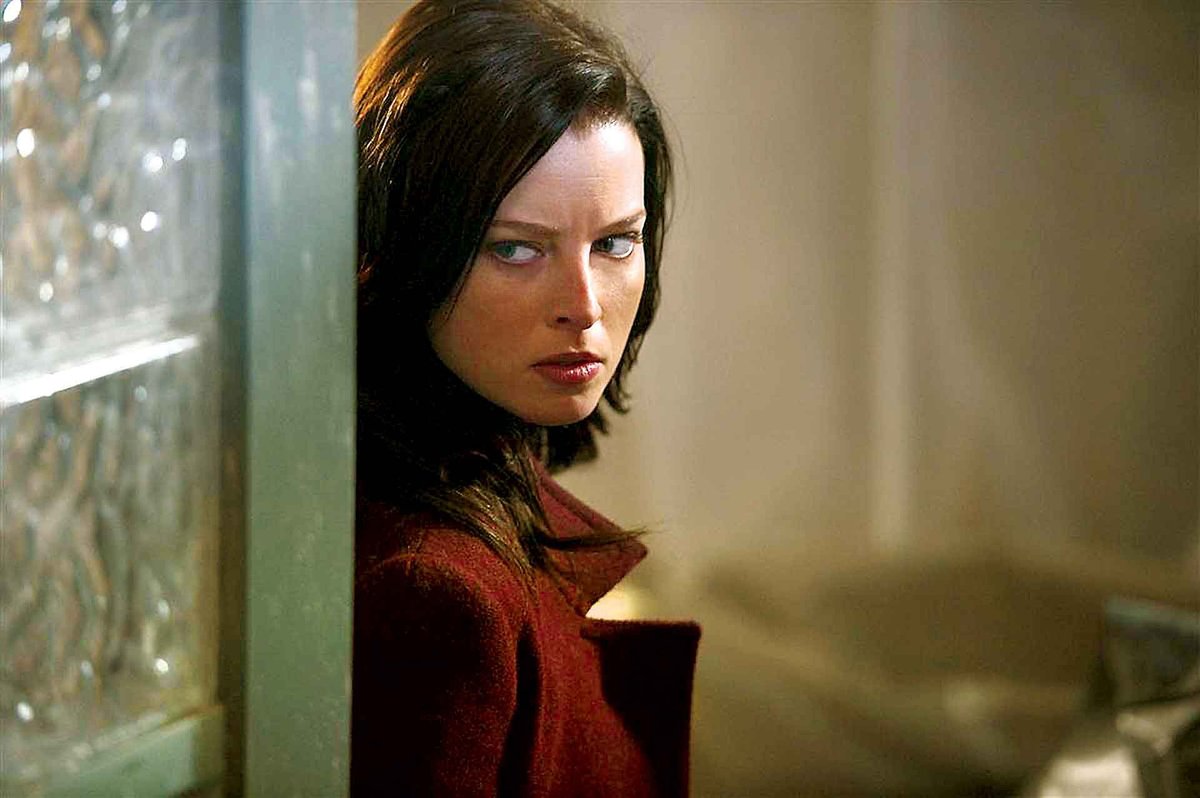
The lights dim, the screen flickers to life, and suddenly, you're hit with that unsettling feeling: haven't you seen this before? Not just the movie, but the very moment unfolding. That's the power of déjà vu, a psychological quirk that, when wielded by masterful storytellers, transcends simple recognition to become a potent narrative device. Our Genre Exploration: How Sci-Fi, Thriller, and Drama Depict Deja Vu dives deep into how these distinct genres leverage this eerie sensation, turning it into a mirror for our deepest anxieties and a lens for exploring alternate realities.
From the buzzy French dystopian thriller Dog 51 premiering at the Venice Film Festival to timeless classics, filmmakers are continually finding new ways to make us question reality, memory, and agency through the motif of déjà vu.
At a Glance: Déjà Vu Across Genres
- Sci-Fi's Grand Canvas: Explores déjà vu as a symptom of alternate timelines, simulated realities, time travel paradoxes, or advanced consciousness, often with a sense of wonder or existential dread. It's about questioning the very fabric of existence.
- Thriller's Tightening Grip: Uses déjà vu to heighten suspense, suggest conspiracies, hint at predictive systems, or reveal hidden truths. It makes you feel an imminent, plausible threat, blurring the lines between fiction and unsettling reality.
- Drama's Human Echoes: Depicts déjà vu as a deeply personal, psychological experience. It can signify unresolved trauma, inherited patterns, societal cycles, or a character's internal struggle with fate and free will.
When Reality Repeats: Decoding Déjà Vu's Appeal
The French phrase "déjà vu" translates to "already seen," and it perfectly encapsulates that uncanny sensation of experiencing something that feels eerily familiar, even if you know it's happening for the first time. For centuries, philosophers, scientists, and artists have grappled with its meaning. Is it a glitch in our memory? A fleeting glimpse into a past life? Or a premonition?
In storytelling, déjà vu is a goldmine. It's a shortcut to instant intrigue, a narrative tool that can:
- Heighten suspense: Who knows what's happening? Why does this feel familiar?
- Introduce mystery: Is the character remembering something real, or are they being manipulated?
- Question reality: Are we in a simulation? Is time looping?
- Explore psychological states: Is the character experiencing a breakdown, or a profound insight?
- Build empathy: We’ve all felt it, that strange sense of recognition.
But how a story uses déjà vu, and the emotional impact it has on you, depends heavily on the genre. Let's explore the distinct approaches of science fiction, thriller, and drama.
Defining the Playing Field: Sci-Fi vs. Sci-Fi Thriller – A Crucial Distinction
Before we dissect déjà vu, it's vital to understand the difference between pure science fiction and a sci-fi thriller, as this distinction profoundly shapes how familiar echoes resonate. The key, as film critics and genre experts often point out, is emotional intensity stemming from plausibility.
Science Fiction: The Realm of the Impossible (and Wonderful)
Science fiction invites you to an alternate reality, a grand stage where the rules of our world are bent or broken. Think space travel, time displacement, alien cultures, or technology so advanced it borders on magic. The setting might be a distant galaxy, an unimaginable future, or even a contemporary world with impossible advancements like shrinking rays or teleportation.
In pure sci-fi, the technology itself might be a marvel or a backdrop, not necessarily the villain. Characters wrestle with abstract concepts or larger-than-life threats, like the Tyrant Baron Vladimir Harkonnen in DUNE. The genre provides a kind of emotional safety zone, allowing you to explore sensitive themes like social injustice or war through a removed, non-threatening lens. You know it's not real, so you can engage with the ideas without feeling personally imperiled. Simon Jimenez’s The Vanished Birds, for instance, explores time and connection across vast distances with a sense of cosmic wonder.
Sci-Fi Thriller: The Edge of Your Seat, Near-Future Nightmare
A sci-fi thriller, on the other hand, is designed to get under your skin because it feels uncomfortably possible. It typically unfolds in a contemporary or very near-future setting, within familiar locations like the CIA headquarters, MI5, or even your own neighborhood. The technology isn't impossible; it's existing science or innovation pushed just enough to create a plausible, imminent risk scenario.
This genre thrives on the idea that technology, often mundane tech, could run amok, be exploited by malice, or simply go wrong, creating real-world consequences. Think Jurassic Park, where Michael Crichton took existing DNA and cloning tech and extrapolated it into a terrifying, believable threat. Or Dan Brown’s Inferno, which deals with a bio-engineered virus for population control – a scary thought because the science feels within reach. The villain is often a more grounded, realistic threat, and the narrative aims to blur the lines between the story's reality and your own, making you feel the tension of an unmasking conspiracy or an unspoken danger that could already be happening.
This distinction is crucial when we look at Dog 51. While set in a futuristic Paris with an AI named ALMA and zone divisions, its critical reception points to it feeling derivative, borrowing heavily from sci-fi predecessors like Minority Report (a sci-fi thriller) and Blade Runner (a foundational sci-fi, but also with thriller elements). Director Cédric Jimenez, known for formulaic films like The Connection and The Stronghold, grounds the narrative in a tangible chase, pushing contemporary anxieties about surveillance and control to an extreme that still feels disturbingly close to home. The retro 80s/90s aesthetic of Dog 51 further roots it in a recognizable past, making the future feel like a perverse echo of what came before.
The Uncanny Echo: Déjà Vu as a Narrative Powerhouse
Déjà vu, in its essence, is a disruption of perception and memory. It's the brain's brief hiccup, leading to a profound sense of familiarity without the corresponding memory of a specific past event. In narrative, this glitch becomes a powerful tool, allowing storytellers to play with themes of fate, free will, memory, and the very nature of reality.
French Cinema's Philosophical Mirror: Déjà Vu in Dystopian Thrillers
French cinema, particularly its recent surge in dystopian thrillers, offers a uniquely philosophical take on déjà vu. These films often reflect deep-seated societal anxieties about surveillance, technological advancement, and the erosion of individual liberties, all filtered through a distinct European lens. The motif of déjà vu in these narratives isn't just a plot device; it's a profound symbol:
- Loss of Agency: Characters frequently feel their lives are predetermined, their actions monitored and controlled by pervasive systems. Déjà vu here symbolizes their realization that their choices are an illusion, their struggles a replay of an unavoidable script. It's a chilling echo of Michel Foucault’s ideas on power dynamics and surveillance, where the very act of being watched shapes behavior.
- Historical Trauma: France's complex history – revolutions, occupations, social upheaval – often resurfaces in these films. Déjà vu can represent the feeling that history is repeating itself, that past societal wounds or mistakes are manifesting in new forms. It’s a collective memory, a national consciousness grappling with unresolved echoes.
- Existential Dread: This motif triggers profound questions about reality, identity, and the meaning of life, a common thread in French philosophical cinema, influenced by thinkers like Albert Camus and his concept of the absurd. If everything has "already happened," what does that say about free will? Are we living in a simulation, a "hyperreality" as Jean Baudrillard might suggest?
- Predictive Systems & Algorithmic Control: In a world increasingly monitored by AI and algorithms, déjà vu becomes a chilling metaphor for constant categorization and prediction. Your data defines you, and perhaps even predicts your future, making your present feel eerily pre-ordained. Dog 51's ALMA AI, monitoring a zone-divided Paris, perfectly embodies this. The feeling that your life is just data points being replayed by an algorithm is the ultimate technological déjà vu.
Common threads in these French dystopian thrillers include stark, brutalist urban landscapes, omnipresent technological surveillance (cameras, data mining, facial recognition), and labyrinthine bureaucratic systems. The seemingly innocuous French abbreviation "RAS" (Rien À Signaler – Nothing to Report) can even symbolize the enforced conformity and bland control that makes every day feel indistinguishable, a perpetual state of "already seen." To dive deeper into these themes, you might find our breakdown of dystopian themes particularly enlightening.
Déjà Vu Through the Genre Lens: How Each Genre Shapes the Echo
Now, let's explore how sci-fi, thriller, and drama specifically leverage déjà vu, each with its unique flavor and emotional impact.
Sci-Fi: Challenging Reality and Time
In science fiction, déjà vu is often a gateway to mind-bending concepts. It's rarely just a psychological quirk but rather a signal of something grander and more unsettling about the universe itself.
- Alternate Timelines & Multiverses: A character experiencing déjà vu might be catching glimpses of another reality, a parallel timeline where a similar event has already occurred. This can set up mind-bending plots where heroes must reconcile disparate realities or prevent timelines from collapsing.
- Time Travel Paradoxes: If characters are looping through time, revisiting past events, déjà vu becomes a direct consequence. It's not just a feeling but an actual memory of a previous iteration of an event, creating suspense and existential dilemmas about altering the past or breaking a loop.
- Simulated Realities & AI Overlords: In worlds like The Matrix or even the more tech-controlled Paris of Minority Report (which straddles sci-fi and thriller), déjà vu can be a "glitch in the Matrix," a momentary awareness that reality itself is a construct. It raises the terrifying question: if everything is a simulation, how many times have we lived this moment? This links to the AI ethics and data privacy debates currently raging in our own world.
- Advanced Consciousness & Memory: Some sci-fi explores individuals with enhanced memory or precognitive abilities, where déjà vu is a natural side effect of their unique perception of time or information. It's not a mistake but a feature of their evolved minds.
In sci-fi, déjà vu is an invitation to ponder cosmic questions. It’s about challenging the audience's perception of reality, not just the character's. It's often accompanied by a sense of wonder, even if tinged with dread. Think about how films like Blade Runner used the question of memory to explore what it means to be human, even if that memory felt "implanted" or "replayed." For a broader perspective on the genre's influence, consider how sci-fi reflects society.
Thriller: The Plausible, Imminent Threat
In thrillers, déjà vu is typically more grounded, even when it involves speculative technology. It's less about the metaphysics of time and more about the immediate, escalating danger.
- Conspiracies & Hidden Agendas: Déjà vu in a thriller often serves as a breadcrumb, hinting that the protagonist is unknowingly caught in a pre-planned event or a larger conspiracy. The feeling of "I've seen this before" isn't a cosmic accident but a sign that someone wants it to happen again, or that events are being orchestrated. This creates a powerful sense of paranoia and urgency.
- Predictive Policing & Surveillance: Films like Minority Report (again, blurring lines) use precognition to prevent crimes, but what if the predictions create the conditions for them? Or what if a character experiences déjà vu because their actions are being constantly monitored and fed into an algorithm that predicts their next move? This is where the anxieties about algorithms and social control in films like Dog 51 really hit home. The sense that you're playing out a script already written by an AI like ALMA is terrifyingly plausible.
- Memory Manipulation & Gaslighting: Déjà vu can be a tool of psychological manipulation. Is the character genuinely remembering, or are they being gaslighted, led to believe they're losing their mind, or having their memories tampered with? This plays into the core fear of losing control over one's own perception of reality.
- Cyclical Violence & Trauma: In some thrillers, déjà vu can signify a cycle of violence or a returning threat. The villain might be repeating a pattern, or the hero might be caught in a loop of historical trauma, as often depicted in French dystopian films where past societal upheavals echo into the present.
The thrill of déjà vu in this genre comes from its unsettling plausibility. It makes you lean forward, your heart racing, convinced that what you're seeing could be a whisper of your own near-future. For more on this, explore the psychological grip of thrillers.
Drama: The Human Condition Replayed
While less reliant on futuristic tech or grand conspiracies, drama uses déjà vu to explore deeply personal, psychological, and sociological themes. It often reflects the internal landscape of its characters or the repeating patterns within societies.
- Unresolved Trauma & Memory: A character experiencing déjà vu in a drama might be subconsciously recalling a traumatic past event, or reacting to a trigger that mirrors an old wound. This isn't about time travel, but about the lingering power of memory and how past experiences shape the present. It becomes a catalyst for self-discovery or confrontation.
- Cyclical Human Behavior: Drama frequently explores the idea that history repeats itself, not on a cosmic scale, but within families, relationships, or communities. Déjà vu can symbolize characters falling into old patterns, making the same mistakes as their predecessors, or realizing that certain societal injustices persist despite attempts at change. It's a poignant reflection on free will versus inherited fate.
- Existential Reflection: In a dramatic context, déjà vu can be a moment of profound existential reflection, prompting a character to question their life choices, their identity, or the meaning of their journey. It's an internal "glitch" that forces introspection, often leading to a turning point in their personal narrative.
- Social Commentary (without sci-fi tech): A drama might use déjà vu to highlight social stagnation or the repeating struggles of marginalized groups. For example, a character might experience déjà vu when confronting systemic issues that feel identical to past challenges, emphasizing the frustrating persistence of inequality or injustice.
In drama, déjà vu is usually an internal phenomenon, a moment of profound psychological resonance that drives character development or deepens the audience's understanding of the human condition. It's about the echoes within us, not just around us. Delve into key elements of compelling drama to understand how these narratives are constructed.
Why We Keep Seeing It: The Deeper Anxieties Driving Déjà Vu Narratives
The continued prominence of déjà vu as a narrative device, especially in today's media landscape, is no accident. It taps into very real, contemporary anxieties that resonate deeply with audiences:
- AI Ethics and Data Privacy: The rise of powerful AI and ubiquitous data collection means we're constantly monitored, categorized, and even predicted. The fear that our lives are increasingly being "written" or "known" by algorithms makes the concept of déjà vu – of events feeling pre-ordained – chillingly plausible. Are we all just characters in an algorithm's script?
- Political Polarization and Societal Division: Many feel like they're witnessing history repeat itself, with political and social divisions echoing past conflicts. This creates a societal déjà vu, a sense that we're stuck in recurring cycles of discord. Films like Dog 51, with its zone-divided Paris and superficial exploration of class divides, tap directly into this.
- The Overload of Information and Media: In a world saturated with content, news, and history, it's easy to feel like everything has "already been said" or "already happened." This cultural déjà vu feeds into stories that question originality and authentic experience.
- Environmental Crisis and Existential Threats: The overwhelming scale of global challenges often leaves us feeling helpless, as if we're constantly replaying dire warnings without definitive action. Déjà vu can capture this sense of inescapable, recurring doom.
These narratives aren't just entertainment; they're a mirror reflecting our collective subconscious, helping us process complex feelings about control, memory, and the future.
Beyond the Screen: Déjà Vu in Your World
The power of cinematic déjà vu lies in its ability to connect with a universal human experience. Whether it's the unsettling feeling of a future predicted, a past trauma resurfacing, or a societal pattern repeating, these stories encourage us to:
- Question our perceptions: How much of what we "know" is truly original, and how much is influenced by echoes of the past?
- Engage with technology critically: Are we too readily accepting surveillance, AI predictions, and algorithmic control, potentially paving the way for a future that feels pre-written?
- Reflect on personal and collective history: What patterns are repeating in our own lives, or in society around us? What lessons, if any, have we truly learned?
Unpacking the Echo: A Final Thought for Storytellers and Audiences
The artful deployment of déjà vu across sci-fi, thriller, and drama illustrates the profound impact a simple psychological phenomenon can have on narrative. It's a testament to its power that this feeling, so common in everyday life, can become a cornerstone for exploring the deepest human fears and aspirations.
Whether you're crafting a story or simply enjoying one, recognizing how each genre molds déjà vu into its unique narrative shape enriches the experience. It helps you appreciate the subtle cues, the escalating tension, or the profound character insights that this timeless motif delivers. So, the next time you feel that flicker of "I've seen this before" on screen, pause and consider what the genre is truly trying to tell you about reality, memory, and the intricate dance of fate. If you're eager to explore more cinematic moments that play with this intriguing concept, be sure to check out Our guide to deja vu films.