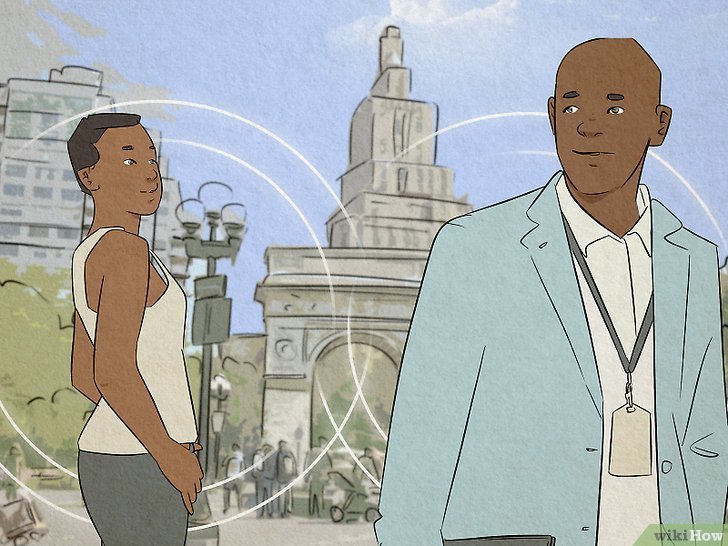
The sudden, eerie feeling hits you: a conversation, a scene unfolding, a moment so distinct, yet you swear you've lived it before. But how? This uncanny sensation, known as déjà vu, is a fleeting yet profound glitch in our perception of reality, prompting us to question memory, time, and even our own minds. In this comprehensive guide, we're diving deep into Defining Deja Vu: Cinematic Interpretations and Psychological Roots, unraveling its scientific underpinnings and exploring how filmmakers have masterfully brought this perplexing phenomenon to the screen.
At a Glance: Understanding Déjà Vu
- What it is: A brief, unsettling feeling that a new experience has already happened, despite conscious knowledge it hasn't.
- Who experiences it: Around two-thirds of healthy people, most commonly young adults (15-25 years old).
- Two main types: "Déjà vécu" (already lived, with emotional depth) and "déjà senti" (already felt, a more subtle familiarity).
- The Science: Attributed to memory processing glitches, sensory delays, or temporal lobe activity.
- Cinematic Allure: Often used in film to explore themes of fate, loops, memory, and altered reality.
- When to be concerned: Usually harmless, but frequent, intense occurrences with other symptoms warrant a doctor's visit.
The Unsettling Familiarity: What Exactly is Déjà Vu?
Imagine walking into a new coffee shop in an unfamiliar city, only to be struck by the overwhelming conviction that you’ve sat at that very table, ordered that exact drink, and heard that specific snippet of conversation before. You scan your memory, certain you haven’t, yet the feeling persists, deep and undeniable. This is déjà vu, a French term meaning "already seen," and it’s a mental flicker that dances on the edge of conscious recognition, affecting approximately two-thirds of us at some point in our lives.
While the sensation itself is universal, psychologists distinguish between different flavors of déjà vu. There's déjà vécu (already lived), a rich, emotionally resonant experience where you don't just feel like you've seen it, but lived the entire scenario, complete with associated feelings. Then there's déjà senti (already felt), a more subtle, fleeting sense of familiarity that might apply to a particular sound, thought, or emotion rather than a full scene. Whether vivid or faint, déjà vu is a powerful reminder that our perception of reality is far more intricate than it often seems.
Peeling Back the Brain's Layers: The Psychological Roots of Déjà Vu
For centuries, déjà vu was shrouded in mystery, often attributed to paranormal experiences or past lives. Today, neuroscience offers compelling explanations rooted in the complex interplay of our brain's memory, perception, and recognition systems. It turns out, this eerie feeling isn't magic; it's a momentary misfire in the sophisticated machinery of your mind.
Memory Imbalance: A Glitch in the Recognition System
One leading theory points to a temporary disconnect within our memory systems. Your brain has a familiarity-recognition system, primarily housed in the hippocampus – a critical region for forming new memories. Sometimes, this system might activate before the brain can retrieve a specific memory or context to match the feeling. It's like your brain shouts "I know this!" without being able to pinpoint how or why. You get the strong sensation of familiarity, but the precise memory details remain elusive, creating that unsettling gap.
Sensory Delay: The Brain's Double Take
Another fascinating theory suggests a slight temporal offset in how your brain processes information. Imagine if sensory input—what you see, hear, or smell—arrives at your conscious mind via two slightly different neural pathways, one a fraction of a second slower than the other. The slower pathway essentially delivers a "replay" of the information you just received. Your brain interprets this duplicated input as two separate events, leading to the illusion that you're experiencing something for the second time, even though it's all happening in real-time. This "dual processing" creates an immediate sense of repetition.
Temporal Lobe Activity: The Misfiring Alarm
The temporal lobe, a region deep within the brain, plays a crucial role in memory, sensory input, and language. Within this lobe, structures like the hippocampus and the rhinal cortex are particularly active in memory formation and retrieval. Research has shown that minor, spontaneous activation of these memory circuits can tag a completely new experience as an old, retrieved one. Direct electrical stimulation of the rhinal cortex, in fact, can reliably induce a sensation akin to déjà vu in patients. This "misfire" acts like an alarm bell, mistakenly signaling familiarity when none should exist.
Memory's Imperfections: The Reconstructive Nature of Our Past
It's vital to remember that our memory isn't a perfect video recording; it's a dynamic, reconstructive process. Every time you recall an event, your brain rebuilds it, filling in gaps and often subtly altering details. Déjà vu beautifully illustrates this imperfection. Subtle environmental cues—a unique combination of smells, a specific lighting condition, a particular architectural style, or even a snippet of conversation—can unconsciously trigger fragments of older, implicit (unconscious) memories that aren't directly related to the current moment. Your brain then mistakenly tags this new present moment as familiar, a patchwork of old sensations draped over a new scene.
Déjà Vu on the Big Screen: Cinematic Interpretations
The perplexing nature of déjà vu makes it ripe for storytelling, especially in cinema. Filmmakers have long leveraged this universal human experience to build suspense, explore philosophical questions, and even manipulate audience perception. They tap into our collective unease with the sensation, using it as a powerful narrative device to explore themes far beyond simple memory glitches.
In the hands of a skilled director, déjà vu transcends a mere psychological phenomenon and becomes a window into alternative realities, predestination, or even time travel. It forces characters, and viewers, to question what's real, what's remembered, and what's merely an illusion. From characters stuck in endless loops to heroes whose memories betray them, the cinematic portrayal of déjà vu often mirrors our own fascination with the limits of perception.
Many films, for example, use the feeling of having "been here before" to foreshadow critical events or to signal that a character is unknowingly re-enacting a past trauma or a predetermined destiny. This creates a sense of dread or inevitability, drawing the audience deeper into the mystery. Other films use déjà vu to introduce the concept of parallel universes or simulated realities, where events genuinely are repeating, but not for the reasons we might initially assume. The very idea that our perception of the present can be a brain-constructed interpretation makes for compelling drama, blurring the lines between conscious experience and subconscious recognition. To dive deeper into how cinema has explored this fascinating concept, check out this comprehensive list of Movies exploring déjà vu.
More Than Just a Brain Glitch: When Déjà Vu Matters
For most healthy individuals, déjà vu is a benign, fleeting experience—a momentary neurological hiccup. It's common, typically lasts just a few seconds, and passes without incident, leaving behind only a curious anecdote. However, while usually harmless, déjà vu can sometimes offer crucial insights into brain function and, in rare cases, signal underlying neurological conditions.
One of the most significant clinical connections is between déjà vu and temporal lobe epilepsy. In individuals with this condition, déjà vu can act as an aura—a warning sign that precedes a seizure. These seizures often originate in the hippocampus or rhinal cortex, precisely the brain regions implicated in everyday déjà vu. The difference is intensity and frequency; in epilepsy, the déjà vu is often more prolonged, vivid, and might be accompanied by other symptoms like unusual smells or tastes, fear, or confusion.
Even in healthy individuals, factors can increase the likelihood of experiencing these transient disruptions of neural circuits. You might find yourself more prone to déjà vu during periods of stress, fatigue, or cognitive overload. When your brain is tired or overwhelmed, its intricate processing systems might be more susceptible to those minor "misfires" or delays that create the déjà vu sensation. Some research also suggests that certain personality traits might play a role: people who are more introspective, better at recalling memories, or possess a more imaginative nature may experience déjà vu more frequently. It could also be a byproduct of extensive exposure to diverse environments, like frequent travel, which constantly challenges the brain's pattern recognition systems.
Ultimately, whether a benign quirk or a diagnostic clue, déjà vu challenges our understanding of how our brains construct our reality, reminding us that our perception of time and the present is a deeply personal, brain-generated interpretation.
Navigating the Familiar Unknown: Actionable Insights for Your Déjà Vu
While déjà vu is largely an uncontrollable phenomenon, understanding its mechanisms can empower you. If you experience it frequently or intensely, exploring these actionable insights might offer clarity and even help you manage the associated feelings.
- Keep a Journal of Your Experiences: Start a simple notebook or use a digital app to log your déjà vu moments. Note the date, time, location, what you were doing, who you were with, and any specific sensory details (smells, sounds, sights). Over time, you might identify patterns or triggers, giving you a better sense of when and why it occurs for you. Are you always tired? In a new place? This self-observation can be incredibly insightful.
- Practice Mindfulness and Present Moment Awareness: Engaging in mindfulness can train your brain to better focus on the present moment, potentially reducing cognitive noise and improving memory clarity. By consciously observing your surroundings without judgment, you might reduce the likelihood of your brain misinterpreting new information as old. Techniques like deep breathing or a quick body scan can ground you when a déjà vu moment strikes, helping you stay connected to the actual present.
- Expose Yourself to Novel Environments (and Notice the Nuances): Since subtle cues can trigger implicit memories, actively exposing yourself to new places, cultures, or experiences can be a fascinating way to observe how your memory and familiarity systems adapt. Pay attention to how your brain processes truly novel inputs versus those that might vaguely remind you of something else. This doesn't mean constantly traveling, but perhaps trying a new restaurant, taking a different route to work, or picking up a new hobby.
- Support Overall Cognitive Health: A well-rested, well-nourished brain is a more resilient brain.
- Adequate Rest: Sleep deprivation can exacerbate many neurological glitches, including memory issues. Prioritizing 7-9 hours of quality sleep can significantly support brain function.
- Balanced Nutrition: A diet rich in omega-3 fatty acids, antioxidants, and B vitamins supports brain health. Think leafy greens, berries, fatty fish, and whole grains.
- Cognitive Stimulation: Keep your brain active with puzzles, learning new skills, or engaging in stimulating conversations.
- Consider Quality Nootropics (With Caution): If you're exploring ways to aid memory function, some individuals consider quality nootropic supplements. However, always consult with a healthcare professional before starting any new supplement regimen, as individual responses can vary, and interactions with other medications are possible.
Debunking the Myths: Common Questions About Déjà Vu
The mysterious nature of déjà vu has fueled countless theories, some more grounded than others. Let's tackle a few common misconceptions head-on.
Is Déjà Vu a Sign of Precognition or a Past Life?
While the feeling can be so profound it feels like you're remembering the future or a life lived before, scientific consensus does not support these interpretations. Déjà vu is overwhelmingly understood as a phenomenon of memory and perception, a temporary glitch in current brain processing, rather than evidence of supernatural abilities or reincarnation. It's your brain playing a trick on itself, not peeking into another dimension.
Is Déjà Vu Always a Bad Sign?
Absolutely not. For the vast majority of people, déjà vu is a perfectly normal, benign, and fascinating experience. It's often a sign of a healthy, active brain processing complex information, albeit with a momentary stumble. It’s particularly common in younger adults whose brains are highly active in memory formation.
When Should I Be Concerned About My Déjà Vu?
While usually harmless, there are specific circumstances where frequent or intense déjà vu warrants professional consultation. You should talk to a doctor if:
- Your déjà vu becomes very frequent: Happening multiple times a week or daily.
- The experiences are prolonged or unusually intense: Lasting longer than a fleeting moment, or causing significant distress.
- It's accompanied by other symptoms: Such as confusion, disorientation, loss of consciousness (blackouts), headaches, unusual smells or tastes, tingling sensations, or involuntary movements. These could be signs of a neurological condition like temporal lobe epilepsy.
- You're experiencing new onset déjà vu later in life: While common in young adults, new, frequent occurrences in older individuals might prompt a neurological check-up.
Your Brain's Time Warp: A Final Perspective
The phenomenon of déjà vu serves as a profound reminder of the intricate and often quirky mechanisms of the human brain. It's a testament to the fact that our perception of reality isn't a passive reception of information, but an active, dynamic construction orchestrated by billions of neural connections. From its fleeting appearance in everyday life to its dramatic portrayal in cinema, déjà vu continues to captivate and challenge our understanding of memory, time, and the self.
Next time you experience that eerie sense of "already seen," take a moment to marvel at the complexity of your own mind. It's not a premonition or a past life echoing; it's your brain momentarily stumbling over its own sophisticated processing, offering a brief, fascinating glimpse behind the curtains of consciousness. By understanding its roots, we not only demystify the experience but gain a deeper appreciation for the wonders within our skulls.